Winter hikes and cold-weather camping can deliver some of the season’s most peaceful, spectacular moments: snow-covered ridges, fresh pine-scented air, and trails free of summer crowds. But for hikers and campers, freezing conditions can turn an appealing getaway into a test of endurance, particularly when the cold settles into your legs.
In the past, staying warm in subfreezing weather meant layering fleece leggings, thick wool long underwear, insulated snow pants, and bulky windbreakers. The trade-off? Shorter strides on steep trails, overheating and sweat during climbs, then chills as soon as you stop to pitch camp or prepare a meal.
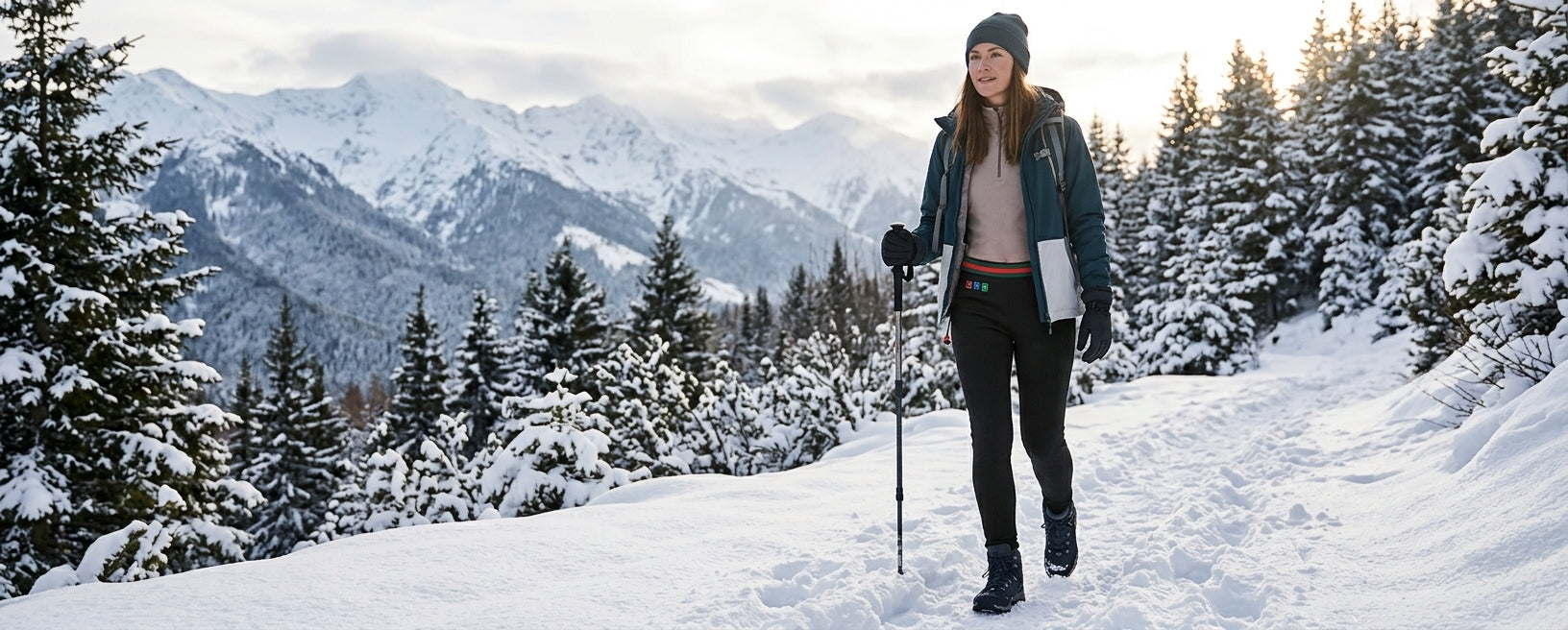
Modern heated pants transform the way you dress for cold weather. Battery-powered heat offers targeted, adjustable warmth around key muscles and joints, helping you shed heavy, restrictive layers while staying comfortable and mobile on the trail. This guide explains how to layer heated pants without bulk for winter hikes and camping, make the most of battery life in sub-zero conditions, and create a streamlined clothing system that works through every stage of your trip.

Why Traditional Lower-Body Layering Falls Short in Winter
To see why heated pants can be useful in the backcountry, consider how conventional layers perform during winter activities that alternate between movement and rest:
-
The sweat-then-chill cycle: Climbing uphill generates plenty of body heat, even in freezing weather. Wearing several thick, non-heated layers can make you sweat. When you reach a windy ridge or pause at camp, that moisture cools against your skin and can carry heat away quickly.
-
Limited movement and added fatigue: Bulky, snug layers can rub around your knees and hips. On a long winter hike, stiff fabric may tire your legs and make it harder to keep your balance on icy or uneven ground.
-
Passive insulation has limits: Fleece and down retain the heat your body creates, but do not produce warmth themselves. When you sit by your tent, filter water, or watch a valley at dawn, your body generates less heat, and passive layers may not be enough to keep you comfortable.
Firoth Heated Pants pair lightweight, breathable fabric with thin carbon-fiber heating elements to address these challenges. Rather than wearing several bulky layers throughout the day, you can hike in a streamlined two- or three-layer setup and adjust the heat with the press of a button.

A Streamlined 3-Layer System for Heated Pants
Outdoor professionals often use the classic three-layer approach: wick, warm, and protect. Adding heated pants to this system can reduce unnecessary bulk while giving you more control over your comfort.
| Layer Role |
Traditional Bulky Setup |
Streamlined Heated Pants Setup |
Primary Benefit |
| 1. Base Layer (Moisture Management) |
Heavyweight wool or thick fleece tights |
Thin, moisture-wicking synthetic or lightweight merino base layer |
Pulls sweat away from skin without adding thickness |
| 2. Mid / Active Heating Layer |
Thick fleece pants + insulated puffy pants |
Firoth Heated Pants (or Heated Base Layer Pants) |
Delivers adjustable, on-demand warmth directly to knees, thighs, and core |
| 3. Outer Shell (Weather Protection) |
Heavy insulated ski/snow pants |
Lightweight windproof & water-resistant softshell or hardshell pant |
Blocks biting wind, snow, and abrasion without restricting stride |
Option A: Layer Heated Base Pants Beneath a Trail Shell
If you already have sturdy windproof hiking trousers or lightweight rain or snow shell pants, heated base layer pants offer a streamlined, low-bulk option:
-
Close-to-Skin Fit: Wear the heated base pants over thin moisture-wicking briefs or a very lightweight silk or synthetic liner. With the carbon-fiber heating zones close to your thighs, knees, and lower abdomen, warmth transfers efficiently without requiring a high setting.
-
Outer Shell: Layer breathable, wind-resistant softshell or hardshell pants on top. The shell helps hold in warmth from the heating panels and shields you from gusts that can carry it away.
-
Unrestricted Movement: Your legs can move much as they do in autumn hiking clothes, helping you tackle steep switchbacks, snowshoeing, and scrambling with ease.
Option B: Wear Outerwear-Style Heated Pants with a Light Liner
If you prefer standalone windproof, water-resistant heated pants made to be worn as an outer layer:
-
Base Layer: Wear them over one thin, moisture-wicking merino wool or polyester legging (150–200 gsm). Skip thick cotton sweatpants and heavy fleece, which can hinder heat transfer and hold perspiration.
-
Versatility: Standalone heated outdoor pants suit winter camping, ice fishing, snowmobiling, and moderate hikes when you want to pack and manage fewer layers.
Manage Heat on Climbs and at Camp
A common winter-hiking mistake is leaving heated clothing on High during an active climb. Think of heated pants as a thermostat: adjust the setting to match your effort.
-
At the Trailhead (Pre-Warming): Before leaving a warm vehicle for the cold morning air, set your pants to Medium or High for 5 to 10 minutes. Warming your thighs and knees beforehand can help prevent stiffness and make the start more comfortable without adding extra layers.
-
On Steep Climbs and During Hard Effort: Once you are moving and your heart rate rises, switch the heating system off or turn it down to Low. Climbing muscles create considerable natural warmth. Reducing the heat on ascents saves battery power for later and helps limit sweating.
-
On Windy Descents and Exposed Ridges: When you reach above the treeline or begin descending, effort may ease while wind chill increases. Set your pants back to Low or Medium to warm your knees and quads and help avoid a sudden chill.
-
At Camp and Before Bed: Heated pants can be especially useful for winter campers:
-
Camp Tasks and Cooking: Pitching a tent, melting snow, or making dinner can mean standing in the cold. Use Medium or High to stay warm without carrying bulky insulated camp pants.
-
Pre-Warm Your Sleeping Bag: Once inside your tent, wear the heated pants for 10–15 minutes to warm your lower body before bed. Always switch them off and disconnect the battery packs before falling asleep, following standard safety guidance.
Cold-Weather Battery Tips for Hikers and Campers
Lithium-ion power banks can lose efficiency in sub-zero conditions. A few practical habits can help you maintain dependable warmth throughout a weekend outdoors:
-
Keep Spare Batteries Warm: Store backup power banks in an inner jacket pocket or near your torso instead of an outer backpack pocket. Body heat helps preserve their capacity until you need them.
-
Use Low and Medium Settings Wisely: With a typical 10,000mAh power bank, heated pants on Low may provide up to 7–8 hours of gentle warmth, while continuous High uses energy roughly twice as quickly. Alternate between Low and Medium to make one charge last through the day.
-
Pack a Compact Backup Power Bank: A slim 10,000mAh battery weighs roughly 180–220 grams, much less than an extra pair of heavy insulated pants, and can also serve as backup power for your phone or headlamp.
-
Check Connections Before Setting Out: Confirm that the USB or DC connector inside the battery pocket is firmly attached and neatly positioned so it does not catch on your pack’s hip belt.
Build a Low-Bulk Winter System from Head to Toe
Warm legs are important, but comfortable cold-weather outings also depend on balancing warmth across your core and extremities without adding unnecessary pack weight:
-
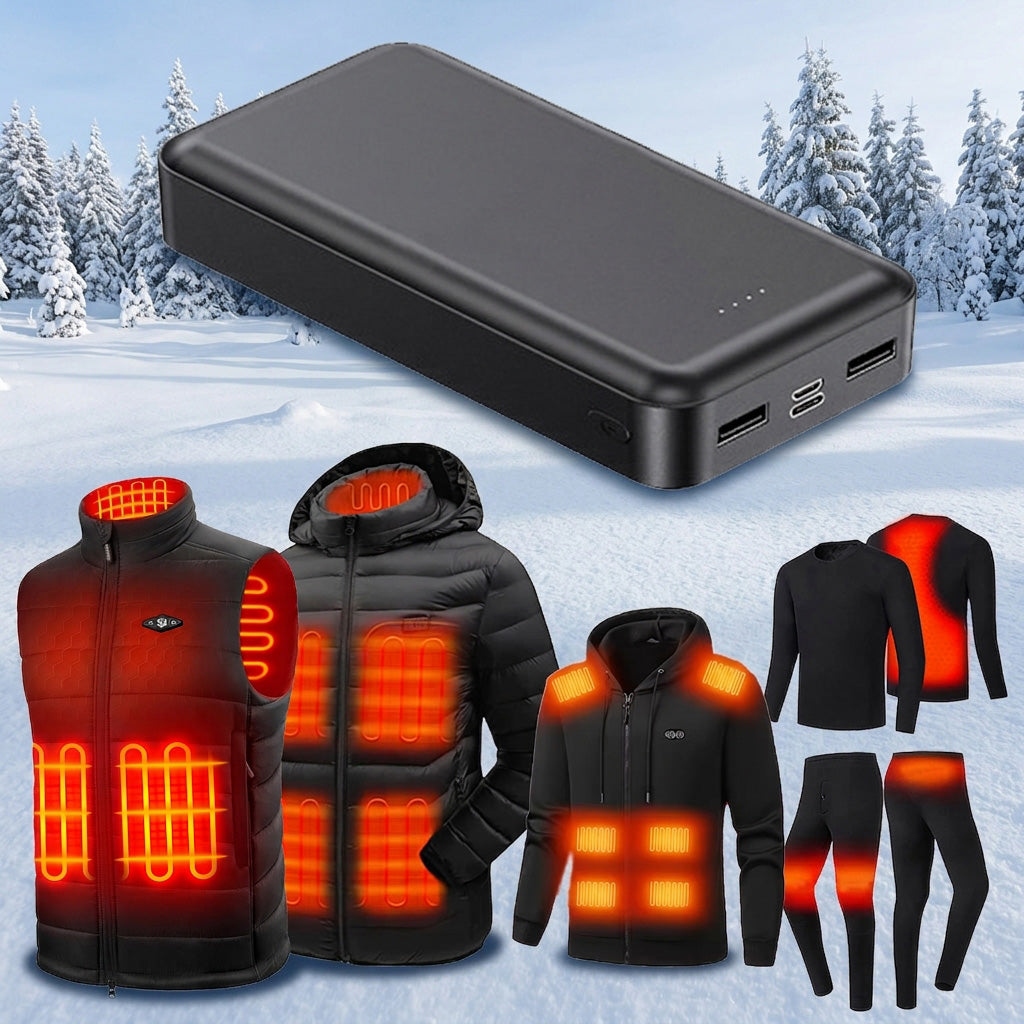
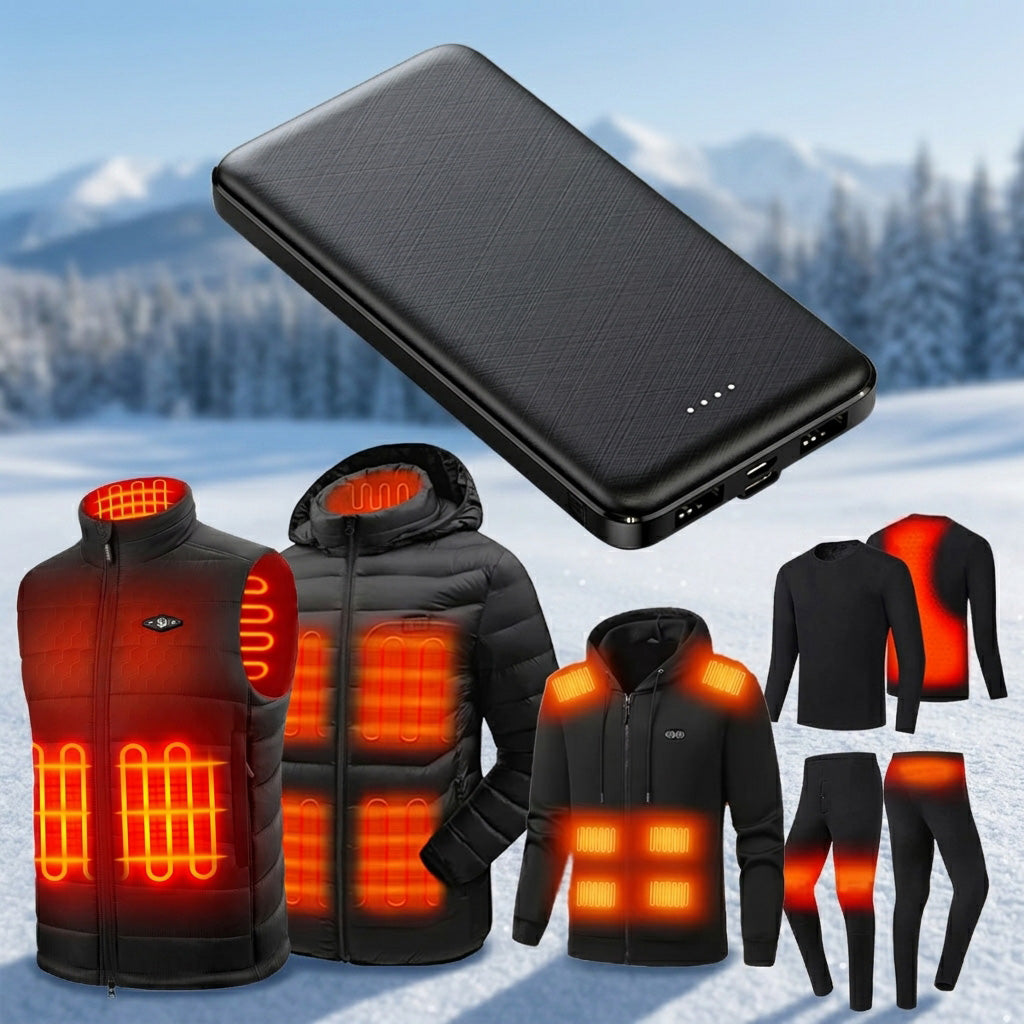
Core Warmth (Firoth Heated Vest or Heated Jacket): Layer a lightweight heated vest under a breathable shell with heated pants to keep your core warm while leaving your arms free for trekking poles or camp tasks.
-
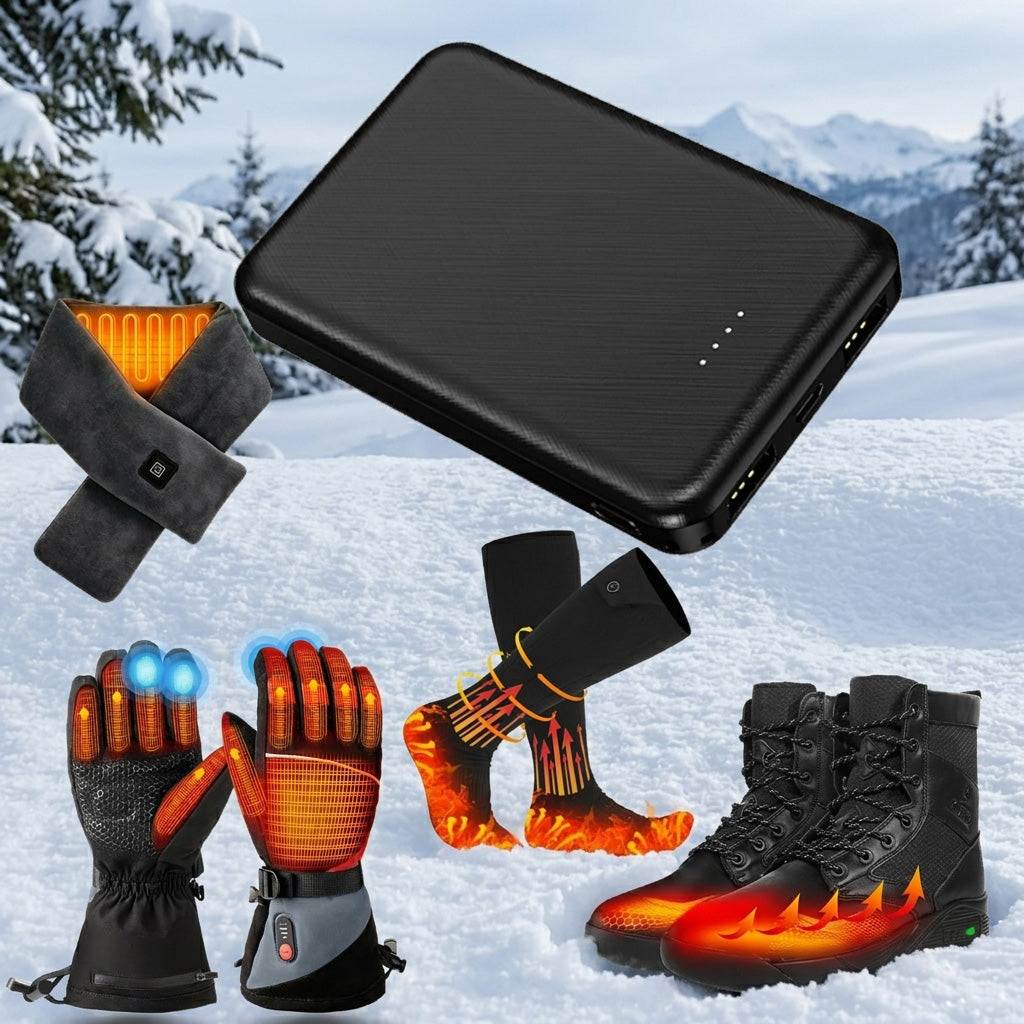
Foot Warmth (Firoth Heated Socks): Cold toes can bring a winter hike to an early end. Heated socks fit inside standard winter hiking boots, without requiring oversized boots or extra-thick wool socks that may restrict circulation.
-
Hand Protection (Firoth Heated Gloves or Hand Warmers): Help keep your fingers nimble for backpack buckles, cameras, and camp stove lighting in cold, windy conditions.
Quick Checklist for Your Next Winter Trip
Before your next cold-weather hike or overnight camp, check that you have:
-
A moisture-wicking base layer in thin synthetic fabric or merino wool—never cotton.
-
Firoth Heated Pants, tested at home to make sure the heating zones and temperature settings work as expected.
-
Fully charged battery packs: one in the designated pocket and a spare in an insulated inner pocket.
-
A breathable, windproof shell to block gusts and shed snow.
-
A dry bag to protect spare power banks from heavy snow or sleet.
Hike Lighter, Camp Warmer, and Move Freely
You can enjoy winter trails and clear, starry nights without feeling bundled in a heavy snowsuit. Replacing bulky layers with adjustable, targeted carbon-fiber warmth can give winter hikers and campers greater freedom of movement, help manage moisture, and provide comfort as temperatures fall.
Ready to refresh your cold-weather layering system? Explore lightweight, trail-ready Heated Pants and winter heated apparel at Firoth (firoth.com) for your next winter season.