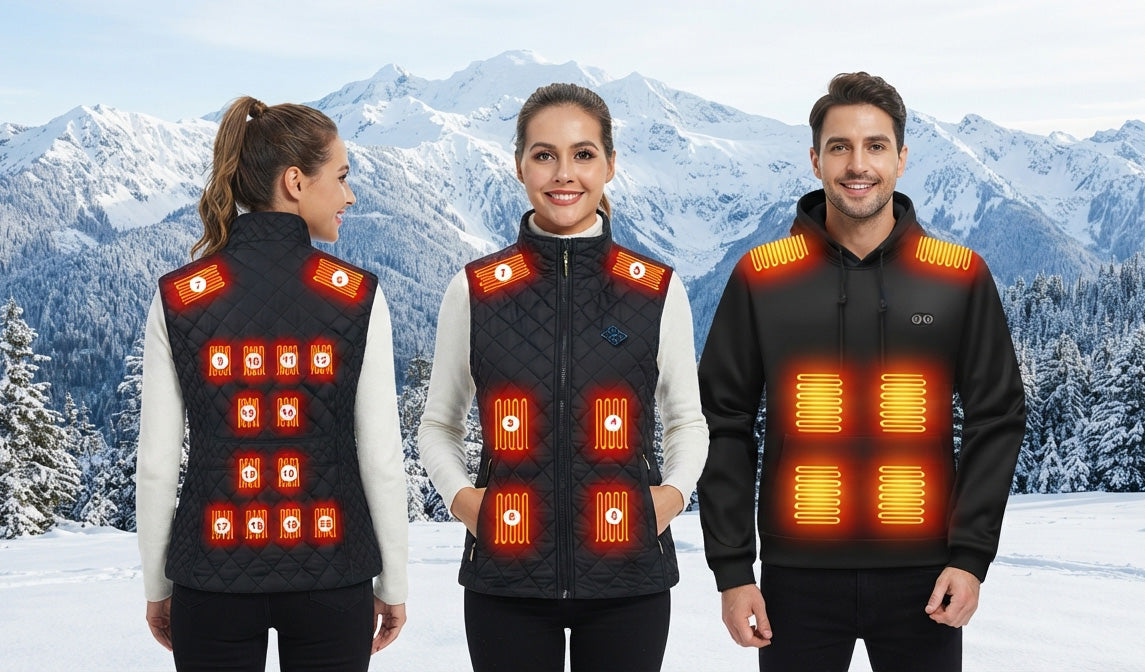
Heated vests have become increasingly popular as a practical solution for staying warm during cold weather. But before you invest in one, it's worth understanding what they offer and where they fall short. Let's explore the key advantages and disadvantages to help you decide if a heated vest is right for you.
I recently discovered heated vests, and they've genuinely impressed me with their performance and practical design.
Heated vests have evolved significantly over the years, yet many people remain hesitant to purchase one due to lingering concerns. Some worry that heated vests won't deliver the warmth they promise, while others question the safety of using a product that combines electricity and battery technology. These are legitimate questions worth addressing.
If you've had similar doubts, you're not alone. Many potential buyers share these concerns before making the investment. The good news is that modern heated vests have been engineered to address these worries head-on. Understanding how they work and what safety measures are in place can help you feel confident about your purchase decision.
These concerns were once mine, too. I wasn't sure if a heated vest could deliver the warmth it claimed or if it was truly safe to use. But after testing one extensively, I've come to appreciate both its genuine strengths and its real limitations. In this guide, I'll walk you through the key pros and cons of heated vests so you can make an informed decision about whether one is right for your needs.

Disadvantages
High cost
Cost is a significant factor when considering any purchase, and heated vests are no exception. Quality heated vests typically range from $50 to $100, which is considerably more than traditional insulated vests. This higher price point reflects the advanced technology involved—heating elements, durable battery systems, premium materials, and rigorous safety testing all contribute to the cost. While the initial investment may seem steep, many users find the performance and durability justify the expense, especially if you live in a climate where you'll use it regularly throughout the winter season.
Only powered by battery

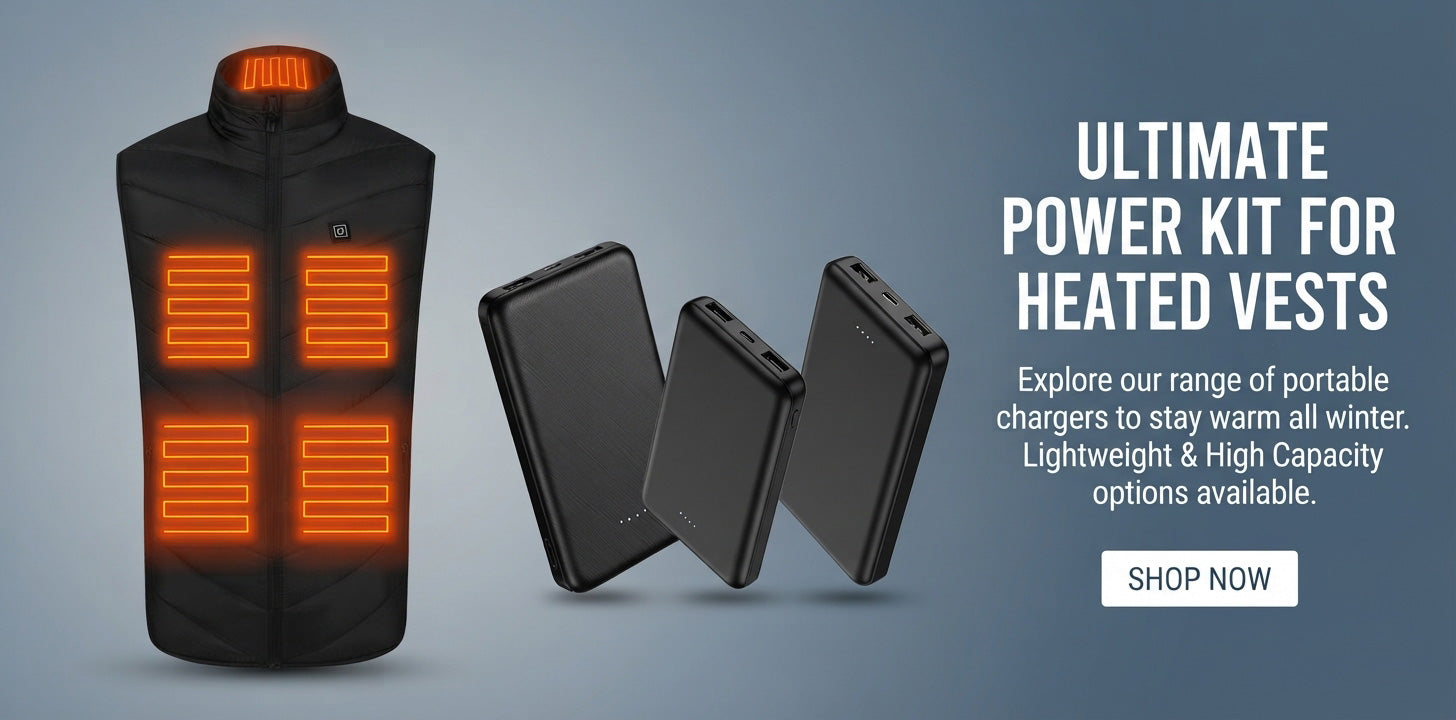
Heated vests rely entirely on battery power, which presents both practical and logistical challenges worth considering. If you're in a location without access to electricity for charging, a heated vest loses much of its utility. This limitation becomes especially apparent during extended outdoor trips—most heated vests operate for around 8 to 10 hours on a single charge, which may not be sufficient for multi-day camping adventures or backcountry expeditions. The solution is straightforward but requires planning: carry a spare battery or portable charger to extend your vest's runtime. For those with reliable access to power, this is a minor inconvenience. For remote adventurers, it's a more significant consideration that may influence whether a heated vest fits your lifestyle.
Advantages
Extraordinary comfort
Comfort stands out as the primary advantage of a heated vest. Unlike traditional down vests, a quality heated vest delivers warmth through an engineered heating system while maintaining a comfortable fit and feel. The combination of responsive heat distribution, soft interior lining, and a water-resistant outer shell creates an experience that transforms winter activities. Rather than battling cold and bulk, you gain the freedom to move naturally while staying warm. Whether you're commuting, working outdoors, or enjoying winter sports, the comfort factor makes a heated vest feel less like gear and more like a second skin.
Superior heating performance
Superior heating performance is where heated vests truly shine. The engineered heating elements work in concert with the battery system to deliver consistent, responsive warmth exactly where you need it most. Rather than relying on passive insulation alone, a heated vest actively generates heat, allowing you to adjust your comfort level on demand. This active heating approach means you stay warm even when temperatures drop unexpectedly, giving you reliable protection throughout your outdoor activities without the bulk of traditional layering.
Lightweight and breathable
When it comes to heated vests, many people assume they'll feel heavy or restrictive. The reality is quite different. Modern heated vests are engineered to be lightweight and breathable, offering genuine comfort without the bulk of traditional winter layers. The design philosophy prioritizes mobility—you get the warmth you need without sacrificing freedom of movement. Many quality heated vests use premium materials like nylon or polyester blends that keep weight minimal while maintaining structural integrity. This makes them ideal for active pursuits like hiking, camping, mountaineering, or even everyday commuting where you want reliable warmth without feeling weighed down.
Water-resistant and wind-resistant

Weather resistance is a critical feature that sets quality heated vests apart from standard winter wear. In cold, wet conditions—whether rain, snow, or sleet—a heated vest with proper water-resistant and wind-resistant construction keeps you protected and comfortable. Most manufacturers recognize this need and engineer their heated vests with durable outer materials like nylon or polyester blends that repel moisture while allowing the heating system to function reliably. This thoughtful design means you can confidently wear your heated vest during unpredictable winter weather without worrying about water damage to the battery or heating elements. The combination of weather resistance and active heat delivery makes heated vests genuinely practical for real-world conditions.
When it comes to material selection, quality heated vests prioritize durability and weather protection. Most manufacturers use nylon or polyester blends for the outer shell—these synthetic materials are engineered to repel moisture and block wind while remaining lightweight and flexible. This thoughtful material choice ensures your heated vest performs reliably in wet conditions, whether you're facing rain, snow, or sleet. The water-resistant outer layer protects the battery and heating elements from moisture damage, while the breathable construction prevents heat buildup and keeps you comfortable during active use. This combination of protective materials and smart design is what separates a practical heated vest from ordinary winter wear.
Conclusion
Ultimately, heated vests represent a meaningful investment in winter comfort and performance. While they come with considerations—particularly around cost and battery dependency—the practical benefits often outweigh these limitations for those who experience regular cold weather exposure. The combination of responsive warmth, lightweight design, and weather resistance addresses real challenges that traditional layering simply cannot match. If you spend time outdoors during winter months or work in cold conditions, a heated vest delivers tangible value that extends beyond the initial purchase. The key is choosing a quality model that aligns with your specific needs and usage patterns, ensuring you get reliable performance throughout the season.